CNC machining is widely used in manufacturing, automotive engineering, metalworking, and industrial component production. Selecting appropriate cutting tools is important for machining accuracy, surface finish, production efficiency, and tooling costs.
Hard Metal Traders serves Pakistan's industrial market with machining and cutting-tool products for workshops, manufacturers, and engineering businesses.
CNC Machining Tools for Industrial Applications
Carbide Inserts
Carbide inserts are used in turning, milling, and other machining operations. Different insert geometries and grades are designed for different materials and cutting conditions.
When purchasing carbide inserts, buyers should confirm the insert designation, material application, geometry, and compatibility with the tool holder.


CNC End Mills
End mills are used for machining slots, profiles, surfaces, and other features in metal components.
The appropriate end mill depends on the workpiece material, flute configuration, diameter, coating, and machining conditions.


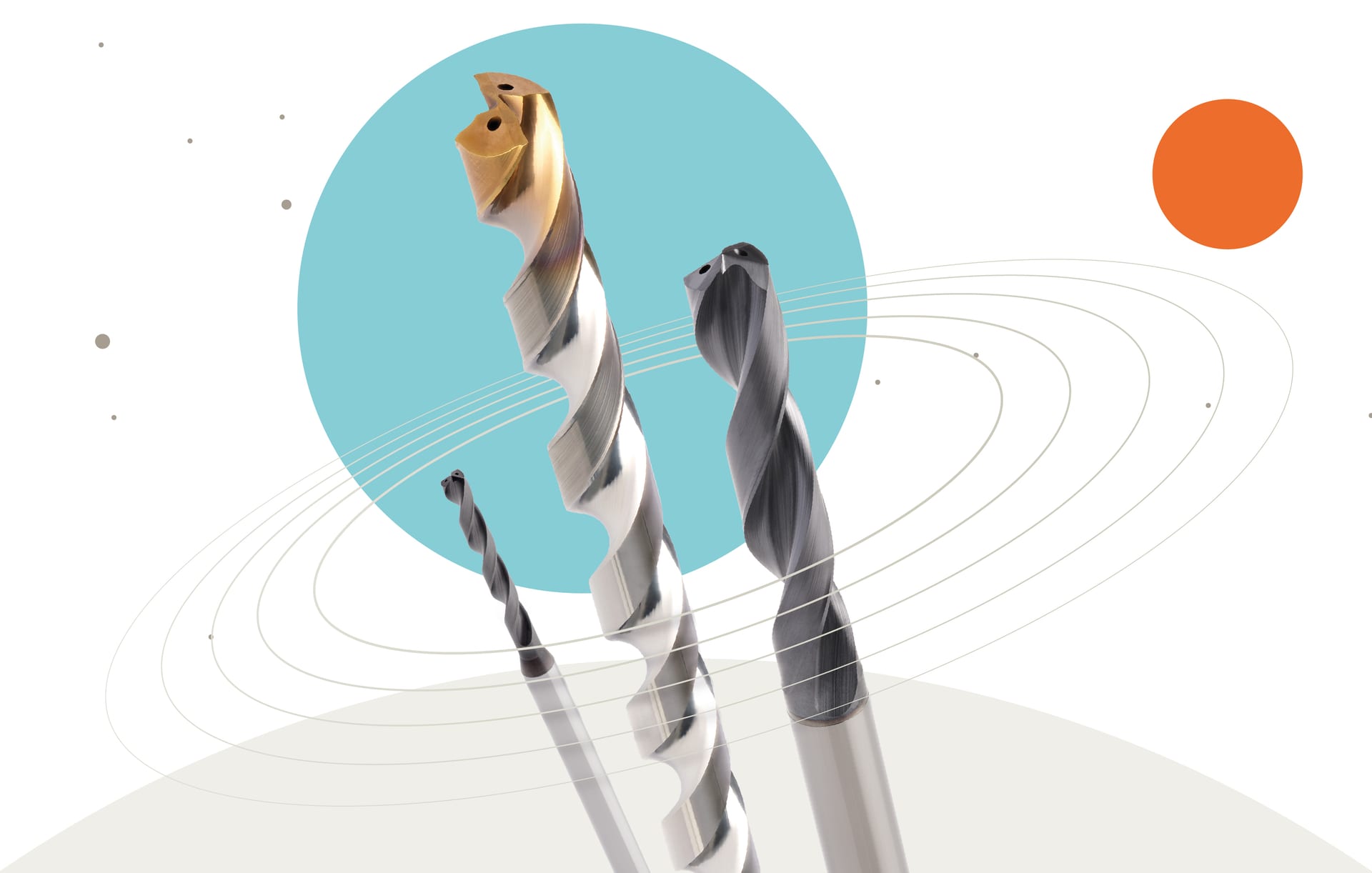
Industrial Drilling Tools
Drilling tools are used to produce holes in metal components and manufactured parts. Tool selection depends on the material, required hole dimensions, machine capabilities, and production requirements.
Dormer Pramet is one of the cutting-tool brands relevant to industrial machining applications.


Need a price on a specific tool?
Send the product name, model number and quantity to our team in Lahore. We will come back to you with availability and a quotation.
Decoding an ISO Insert Designation
An insert code such as WNMG 08 04 08 is not a product name. Each position describes a physical property, and reading it lets you confirm an insert will fit your holder before you order rather than after.
| Position | Describes | Example from WNMG 08 04 08 |
|---|---|---|
| 1st letter | Insert shape | W = trigon, 80 degree included angle |
| 2nd letter | Clearance angle | N = 0 degrees, a negative, double-sided insert |
| 3rd letter | Tolerance class | M = a general machining tolerance class |
| 4th letter | Type: fixing hole and chipbreaker arrangement | G = with hole, chipbreakers on both faces |
| First number pair | Cutting edge length, coded in mm | 08 |
| Second number pair | Thickness, coded | 04, commonly 4.76 mm |
| Third number pair | Corner radius in tenths of a millimetre | 08 = 0.8 mm |
The corner radius is the number most worth checking. A larger radius is stronger and takes a heavier feed, but it increases radial cutting forces and will push a slender part away from the tool. A smaller radius gives a better finish on light cuts and on anything prone to deflection.
What the Designation Does Not Tell You
The ISO code fixes the geometry. It does not fix the two things that most affect how the insert performs:
- The carbide grade, which is the substrate and coating combination. This is what determines whether an insert suits steel, stainless, cast iron, aluminium or heat-resistant alloys, and each manufacturer uses its own grade codes.
- The chipbreaker geometry, identified by a suffix such as a finishing, medium or roughing designation. The wrong chipbreaker produces stringy swarf that wraps the tool, even when everything else is correct.
Two inserts with identical ISO codes can therefore behave completely differently. When you enquire, send the full designation including the grade and chipbreaker suffix, plus the material you are machining, so we quote the right insert rather than a geometric lookalike.
Getting Speeds and Feeds Roughly Right
Insert manufacturers publish recommended cutting data for each grade and material combination, and that data is the place to start. It is worth understanding what moving each parameter actually does:
- Cutting speed is the main driver of tool life and of heat. Raising it is the fastest way to wear an insert out.
- Feed rate largely determines surface finish and productivity. Feeding too lightly is a common error: it rubs rather than cuts, work-hardens the material, and wears the insert without producing parts.
- Depth of cut should stay above the corner radius wherever possible, so the cutting edge is properly engaged rather than skimming.
As a working method, start from the manufacturer's mid-range recommendation, get the process stable, then adjust one parameter at a time. Changing all three at once tells you nothing about which change helped.
Standardising Your Tooling
Shops running many different insert types often carry more inventory than they need. Consolidating onto fewer geometries and grades that cover most of your work reduces the capital tied up on the shelf, cuts the chance of running out mid-job, and shortens setup time.
We can review what you currently hold and suggest where consolidation is realistic. See custom tooling solutions for how that works.
CNC Cutting Tools Supplier in Pakistan
Manufacturing businesses need a reliable way to identify suitable tooling, confirm specifications, and obtain product quotations.
Hard Metal Traders is based in Lahore and serves industrial and engineering customers in Pakistan.
If you are sourcing CNC cutting tools, carbide inserts, drilling tools, or related industrial supplies, contact HMT with your required specifications.
Our team can assist with product inquiries, availability, and quotations for your business requirements. For non-standard requirements, see our custom tooling solutions.